
Showing all 9 results
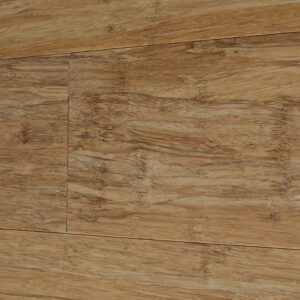
Blush Gold is a sophisticated strand woven bamboo floor designed for modern Australian interiors. Offering a stylish alternative to traditional hardwood flooring, its warm golden tones and contemporary semi-gloss finish create a refined yet inviting atmosphere in living rooms, bedrooms, and open-plan spaces. Crafted from 14mm solid strand woven bamboo, this floor delivers exceptional strength…
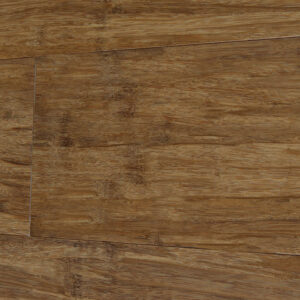
Cafe Noir Bamboo Flooring delivers a bold and contemporary timber look, inspired by deep coffee tones that bring warmth and sophistication to Australian interiors. Its rich colour palette and refined semi-gloss finish create a premium statement, perfect for living areas, bedrooms, and stylish commercial spaces. Constructed from 14mm solid strand woven bamboo with seven layers…
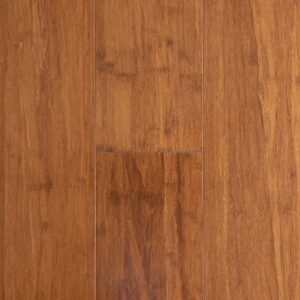
Dark Roast Blackbutt Floating Floor brings a rich and sophisticated timber look to Australian interiors. Its deep, warm tones and smooth UV matte finish create a contemporary and inviting atmosphere, ideal for living rooms, bedrooms, and stylish commercial spaces. Featuring an easy click-lock installation system, this 14mm blackbutt floating floor ensures a secure and hassle-free…
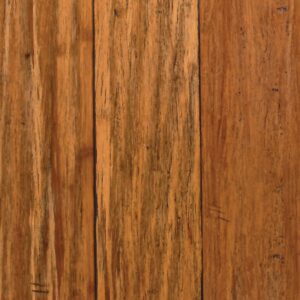
Desert Oak Bamboo Flooring combines natural timber elegance with engineered durability, bringing a warm and textured aesthetic to Australian homes and light commercial spaces. Its hand-scraped rustic surface and soft, earthy tones create a welcoming, premium look that complements modern and traditional interiors alike. Engineered from environmentally certified resources, Desert Oak offers exceptional stability with…
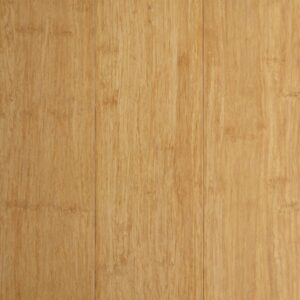
Linenwood Bamboo Flooring brings the authentic look and feel of traditional solid timber with the stability and durability of engineered bamboo. Its warm, natural tones and solid structural planks create a premium, inviting foundation for Australian homes and light commercial spaces. Featuring a 4-side licensed click system, Linenwood ensures precise and easy installation. The scratch-resistant…
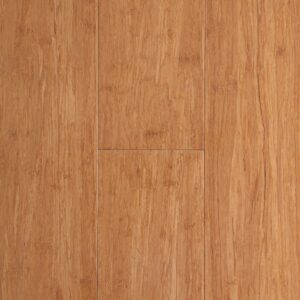
Pale Bamboo Flooring brings a light, natural timber aesthetic to Australian interiors, offering a clean and contemporary look for homes, apartments, and light commercial spaces. Its soft, pale tones create a bright and inviting environment, enhancing any modern interior design. Engineered from environmentally certified resources, Pale Bamboo is highly stable with excellent wear resistance and…
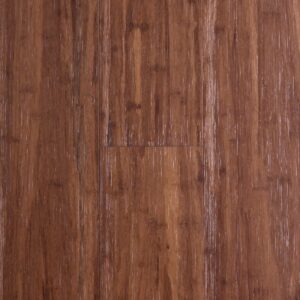
Rustic Grove Bamboo Flooring brings the natural charm of timber with a rustic, brushed surface that enhances the warmth and character of Australian interiors. Its rich, earthy tones create a welcoming and stylish foundation for homes, apartments, and light commercial spaces seeking a premium bamboo flooring solution. Engineered for stability and durability, Rustic Grove features…
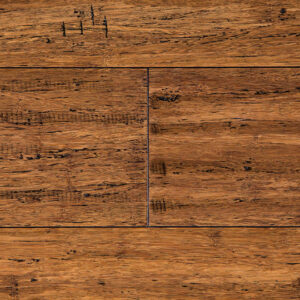
Sundara is a refined solid bamboo flooring solution designed to elevate contemporary Australian interiors. With its sleek semi-gloss finish and clean board proportions, it delivers a modern, architectural look that complements both minimalist and classic design styles. Manufactured from high-density 14mm strand woven bamboo, Sundara offers outstanding structural strength and dimensional stability. Its construction is…
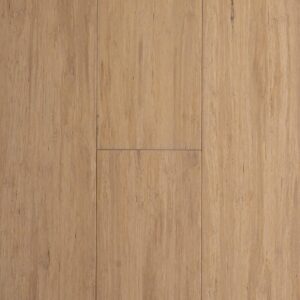
Whisper Oak Bamboo Flooring combines natural elegance with exceptional durability, bringing a refined, eco-friendly timber aesthetic to Australian homes and commercial interiors. Its warm, subtle tones and brushed rustic surface create a welcoming, contemporary atmosphere while maintaining a premium look. Engineered from environmentally certified resources, Whisper Oak offers excellent stability with reduced expansion and contraction…
Bamboo flooring provides a rugged surface for modern Australian homes. It serves as a dense alternative to traditional eucalyptus hardwoods. This material is a fast-growing grass, not a tree. It offers immense impact resistance for busy, high-traffic households. Our strand-woven range delivers a luxury look at very reasonable prices. It handles the local climate better than many solid timber species. Our collection provides floors that last a lifetime; shop online to get yours today!
The highest quality Bamboo Flooring in Australia uses an specialized strand-woven method. The process involves slicing raw stalks into thin strips and drying them thoroughly. These fibers then undergo crushing under massive hydraulic pressure. High-grade resins fuse the material into heavy, solid boards.
This intense pressure makes strand-woven options the most rugged of them all. The finished boards are heavy and resist deep structural dents. Many homeowners feel surprised to find it is actually harder than common timbers like oak or pine. This immense strength is why it performs so reliably in active homes.
You can choose from three main types of bamboo flooring in Australia:
For colors, pick a carbonized finish for rich coffee tones or a natural finish for a bright, blonde look. Every style includes a tough top coating to prevent sun fading.
Bamboo is a versatile performer for almost any residential room. Its extreme density suits areas where kids and pets play.
Start your project by floating the Bamboo Flooring with the user-friendly click-lock system. For a professional finish, place a 2mm high-density foam underlay beneath the boards. This layer blocks moisture and stops mold from growing. Ensure you leave a 10–12mm expansion gap at the walls to allow for natural movement.
Clean the surface daily with a soft broom or vacuum to remove abrasive grit. For deeper cleans, use a slightly damp microfiber mop. Never use a steam mop on the natural surface, as high heat and moisture will ruin the finish.
Always check for moisture before you begin. Let the Bamboo Flooring acclimate to the room for at least 48 hours to prevent warping or gapping. Lastly, stick felt pads under heavy furniture legs to stop surface scratches.
Bamboo grows back fast after harvest without replanting. This rapid cycle makes it a highly sustainable and green choice for modern Australian homes.
Strand-woven varieties are incredibly tough. They handle heavy furniture, pets, and constant footsteps better than many common hardwood species.
No. It resists spills better than timber but is not waterproof. Wipe up liquids fast to stop swelling. Avoid using it in wet bathrooms.
How does bamboo compare to timber or laminate?
Bamboo is generally harder than wood and feels more natural than laminate. It strikes a perfect balance between a low price and massive strength.